- 07Sep
One of your clients shows up in your office building for an important meeting. The address is correct, but the business name is somewhat hard to see from the street. When they locate the entrance, they can see that there are several offices and no sign of the reception desk.
This is a very frustrating beginning to a simple visit.
If you're a business or a commercial property owner, building signs in Sydney should be more than just a name. They should help visitors locate the premises, move around the building and recognise the business during their stay.
The difficulty lies in making different signs work together without modifying the look of the building.
First Stop: Making the Building Recognisable
Prior to visitors entering, they must first find the right property.
Adjacent buildings can be very similar in the busy commercial district of Sydney. An exterior marker is a good way to distinguish your business from neighbouring enterprises.
Depending on the architecture of a building, appropriate signage can include:
- 3D lettering: Gives outside wall company signage a three-dimensional appearance.
- Illuminated signage: Improves visibility during early mornings and evenings.
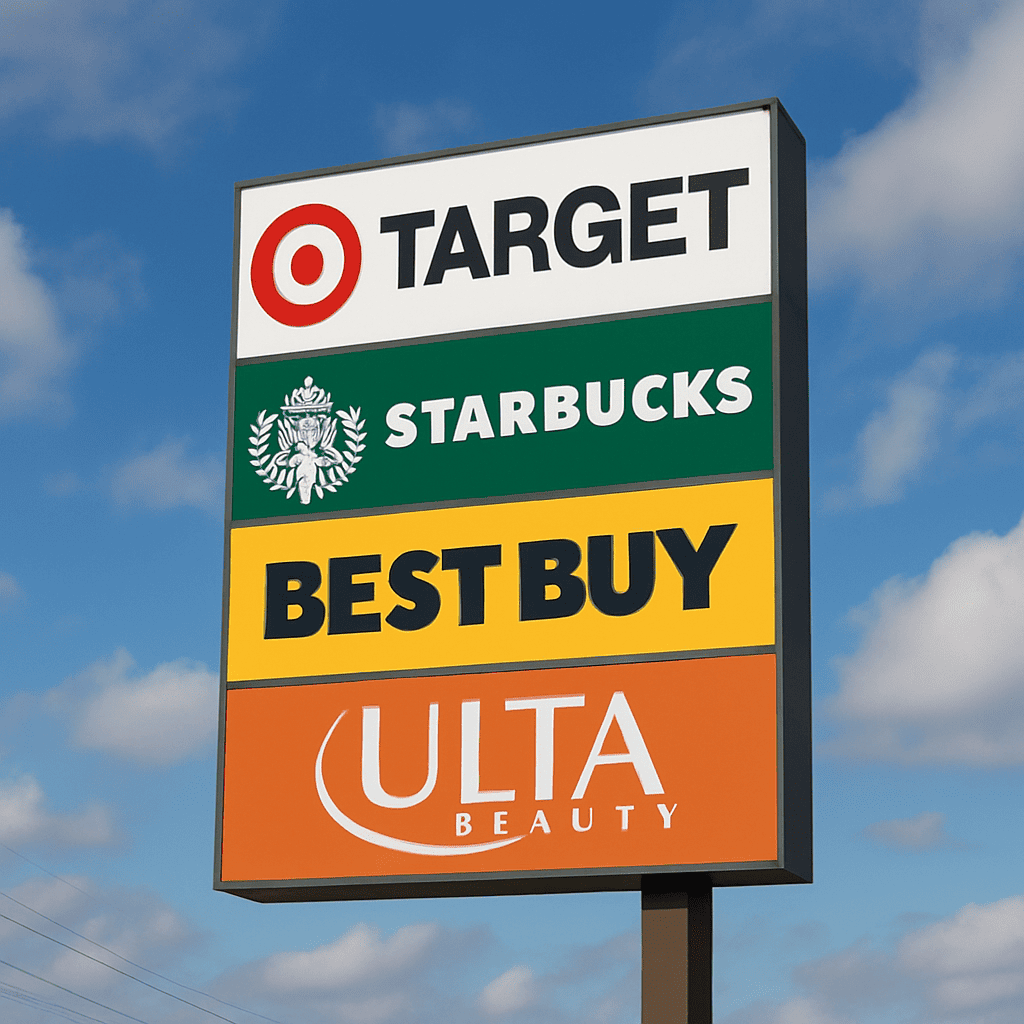
- Pylon signs: Identify businesses located away from the main roadway.
- Entrance signage: Ensures that visitors are entering the right place.
But bigger signs don't always have greater impact.
Many signs are not effective when placed too high, surrounded by visual clutter or have poorly-legible lettering.
It should be visible from where customers approach, and that should be the number one priority.
The Entrance Should Answer the Next Question
Finding the building is just the beginning. Those who visit will need to know where to go next.
Think of a four-storey commercial building with multiple businesses.
A visitor is walking to look for an accounting firm on Level 3. Without a directory they may have to inquire from reception staff or check each floor.
This confusion can be avoided with a simple signage system.
| Location | Recommended Signage |
|---|---|
| Main entrance | Building identification |
| Ground-floor foyer | Tenant directory |
| Lift lobby | Floor information |
| Corridors | Directional signs |
| Office entrance | Company identification |
Each sign should give information about the particular stage of the journey.
For instance, a building directory should assist visitors to identify the businesses in the building rather than compete with promotional messages.
Reception Areas: Where Navigation Meets Branding
When a person is at reception, signage serves a different purpose.
It not only lets visitors know that they have reached the right business, but also helps to strengthen the professional image of the business.
Acrylic lettering on display signs, dimensional logos or illuminated displays may be used for reception signage.
The design should complement the interior.
For instance, if you have a large reception area in your corporate office, you could have larger lettering, or if you have a smaller office, you could have a simple wall-mounted logo.
Before finalising reception signage, consider three questions:
- Can visitors recognise the business immediately?
- Does the design complement the surrounding furniture and lighting?
- Are the colours and lettering consistent with the company's branding?
Reception signage should appear intentional and not like an afterthought for the interior design.
One Building, One Connected Visual Identity
Many projects fail to keep the interior and exterior designs cohesive.
The building facade could be painted with large letters, and the lettering and colours in the reception area are not related.
The signs are for different purposes, but a consistent business identity should be recognised by the visitors.
This means planning and coordinating exterior signage, entry graphics, directories and reception branding for businesses planning building signs in Sydney.
Consistency does not mean the same designs everywhere!
Rather, consistent colours, proportions of the logo and typography can link the various signs together and meet the needs of each sign's environment.
What Should Property Owners Check Before Installation?
Commercial signage should also be suitable to the physical conditions of the building.
Before approving a design, check:
- Viewing distance: Can people read the sign from relevant approach points?
- Weather exposure: Are exterior materials suitable for the intended environment?
- Lighting: Could shadows or reflections reduce readability?
- Building requirements: Are landlord or council approvals necessary?
- Future changes: Can tenant directories accommodate new businesses?
The following should be taken into account in relation to shared commercial properties where signs may require some alteration over time.
Create a Better Experience From Street to Reception
Building signage is used to link all parts of a visitor's journey. Outdoor signage, directories and professional displays aid people in moving through commercial properties with confidence.
At Adverco Signs, we make reception signage, directional signs and outdoor signs for businesses in Sydney. We can guide you in exploring options that will fit your building and address its practical needs. Talk to our team about your commercial signage project. To discuss your commercial signage project or request a quote, call us on 02 9599 0006 or email info@adverco.com.au.